


Ground source heat pumps
Ground source heat pumps
A ground source heat pump uses pipes that are buried in the garden to collect energy from the ground. This type of heating can then be used to power radiators, underfloor or air systems and even your home’s hot water. There are a variety of ground source heat pump products that can be used.
These types of pipes are filled with a combination of water and antifreeze. This mixture is effective as it circulates through the pipe absorbing heat from the ground, meaning it preserves energy.
Every home is different therefore the length of the ground loop can vary, as the amount of heat you need may be more/less. A Longer loop can draw more heat, but requires more space to be buried in. If space is limited there is an option to install a vertical borehole.

Ground source heat pumps benefits

Lower your fuel bills.
Income through the government’s Renewable Heat Incentive (RHI).
Eco friendly - Could lower home carbon emissions.
No fuel.
Heats your home as well as your water.
Little maintenance required.
Scotland Heat Pumps can deliver heat at lower temperatures over much longer periods. During the winter they may need to be on constantly to heat your home efficiently.
Request a quote


How do ground source heat pumps work?
The heat is gathered from the ground at low temperatures and is transferred into a fluid inside a loop of the pipe. The fluid passes through a compressor making it a higher temperature – creating energy to heat your home and water!
The loop is laid flat, vertically or can be coiled in trenches about two metres deep. Although heat pumps need electricity to run, they are constantly being renewed naturally.
Is a ground source heat pump suitable for me?
In order to establish if an air source heat pump is right for you, there are a few key questions to consider:
- Is your garden suitable for having pipe laid?
- Is your home well insulated?
- What fuel will you be replacing?
- What type of heating system will you use?
Contact us for more information, we provide lots of options and would love to discuss these with you.

Ground source heat pumps costs, savings and financial support.
Savings
The system is effective in the long run and will save you money as it’s replacing your homes electricity or coal heating system. How much you can save will depend on what system you use now, as well as what you are replacing it with. Your savings will be affected by:
- Your heat distribution system.
- Your fuel costs.
- Your old heating system.
- Water heating.
Costs
Installing a typical system costs around £13,000-£20,000. Running costs will depend on a number of factors including the size of your home and how well insulated it is.
Funding
| Existing system | Fuel bill savings (£/year) | Renewable Heat Incentive (RHI) payment (£/year)1 April 2015 to 31 March 2016 | (RHI) payment (£/year)1 March 2016 to 30 June 2016 | Carbon dioxide savings (kgCO2/year) |
|---|---|---|---|---|
| Gas older (non condensing) | £440 to £660 | £2,555 to £3,955 |
£2,590 to £4,005 |
2,100 to 3,300 kg |
| Electric (old storage heaters) | £790 to £1,425 | 6,700 to 11,700 kg | ||
| Oil older (non condensing) | £130 to £220 | 3,000 to 4,700 kg | ||
| LPG older (non condensing) | £960 to £1,500 | 2,800 to 4,500 kg | ||
| Coal | £590 to £990 | 7,600 to 12,100 kg |


Get Your Free Heat Pumps Installation Quote Instantly
By answering just a few questions we will tell you how much your heat pump installation will cost

Air Source Heat Pump Installation
Air source heat pumps
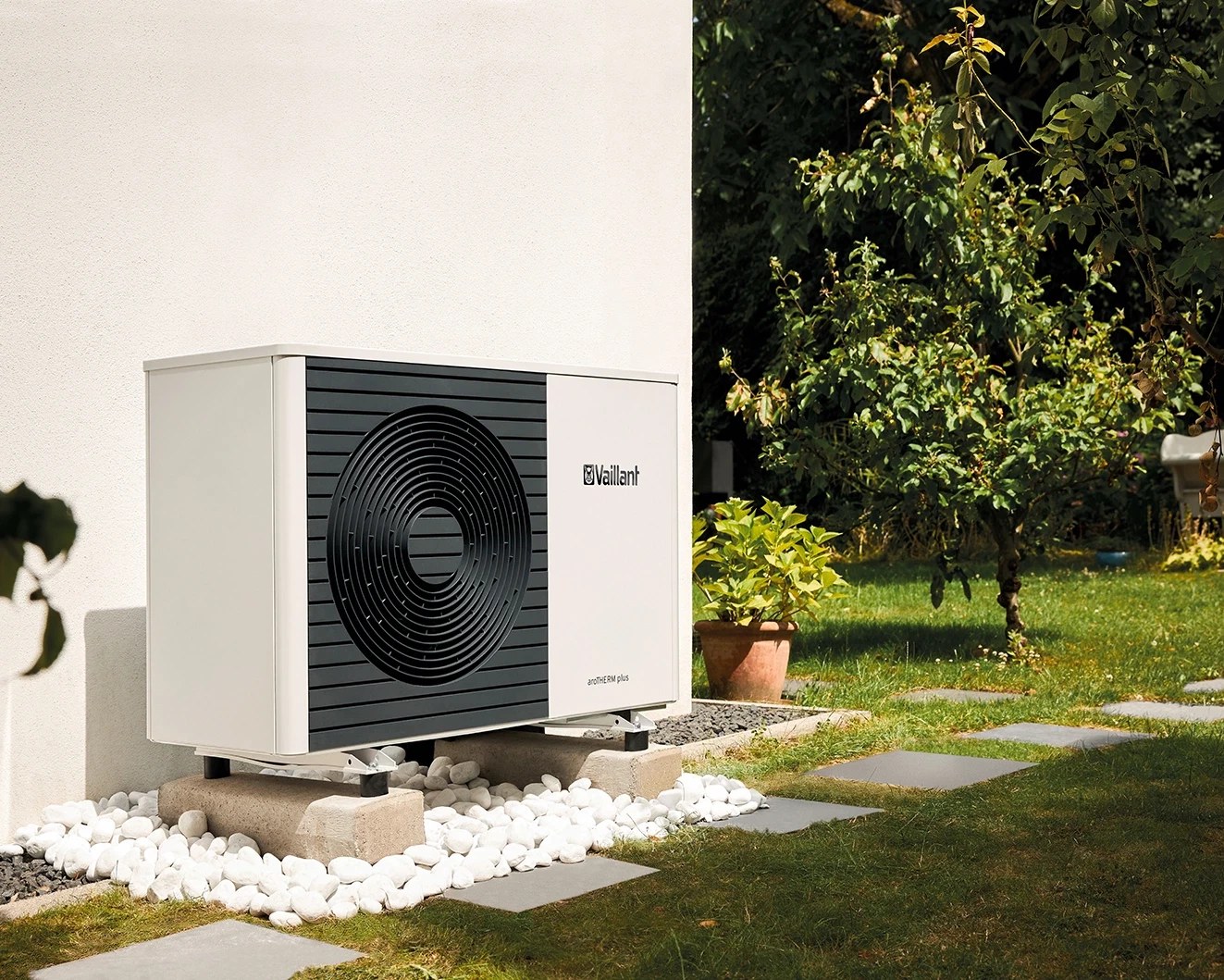
Air source heat pumps are much more energy efficient as they absorb heat from the outside air. This heat is transferable and has lots of uses, it can be used; to heat radiators, underfloor heating systems, or warm air convectors and hot water in your home. No matter what kind of air source heat pumps you decide to use, we can help.
Much like the way a fridge extracts heat from its inside, an air source heat pumps extract heat from the outside. They are excellent because they can even heat air when the temperature is as low as -15° C!
If you are environmentally friendly, they may be of interest to you as heat pumps extract from the ground, air, or water is constantly being renewed naturally, however they do need electricity to run.
Air source heat pumps benefits
Cheaper fuel bills if you are replacing conventional electric heating.
Possible income through the UK government’s Renewable Heat Incentive (RHI) program.
Low home carbon emissions - this depends on what type of fuel you are replacing.
Fuel deliveries aren’t necessary.
Heats home and water supply.
They tend to be easier to install than a ground source heat pump.
Little/zero maintenance required.
Air source heat pumps are unique as they are unlike gas and oil boilers; they deliver heat at lower temperatures over much longer periods – which is much more energy efficient! During those colder months they may need to be on more to heat your home efficiently. It may also be noticeable that radiators won’t feel as hot to the touch as they may when you are using a gas or oil boiler.
Request a quote
How do air source heat pumps work?
Air Source Heat Pumps work wonderfully as the heat from the air is absorbed at low temperature into a fluid. They run smoothly as the fluid created passes through a compressor where its temperature is increased, and transfers its higher temperature heat to the heating and hot water circuits of the house.
There are two main types of air source heat pump systems.
- Air-to-water. This is an air-to-water system which distributes heat thought your wet central heating system. Heat pumps work much better at a lower temperature than a standard boiler system does. This makes them the perfect investment as they are more suitable for underfloor heating systems or larger radiators, which give out heat at lower temperatures over longer periods of time.
- Air-to-air. This air-to-air system creates warm air which is then circulated by fans to fuel the home. The will not provide you with hot water as well.
Why not some of our case studies of homeowners who live in Scotland that have installed an air source heat pump?
Is an air source heat pump suitable for me?
You may be wondering if an air source heat pump is right for you, and there are a few key questions to consider:
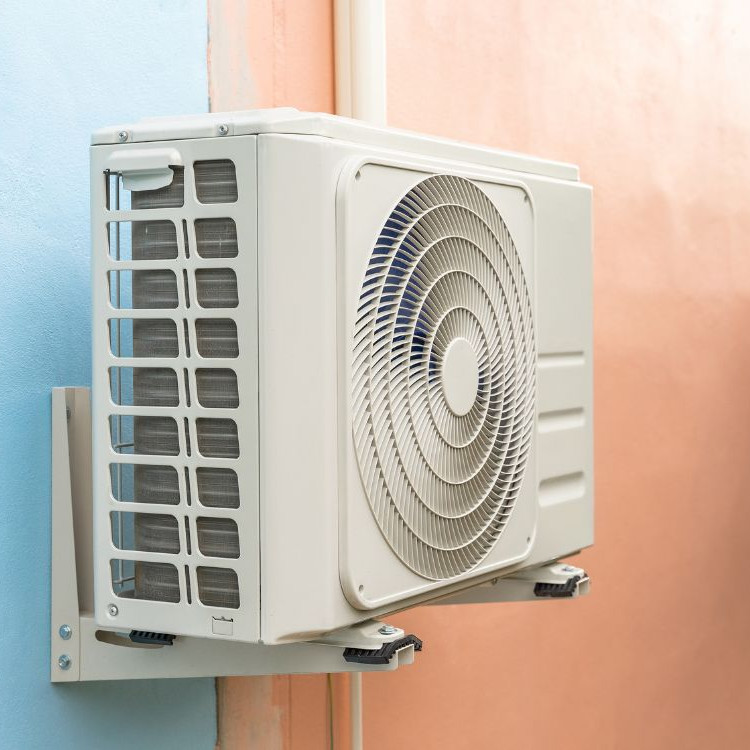
- Where will I put my system? First of all you will need a suitable place outside your home where a unit can be fitted to a wall or placed on the ground. Your system will need plenty of space around it to reach good flow of air. If you have and area in particular where the sun hits, this is the perfect space.
- Is your home insulated well? If so then air source heat pumps work best when producing heat at a lower temperature than a traditional boiler would therefore it is essential that your home is insulated and draught-proofed well for the heating system to be effective.
- Surrounding pipes.
- What fuel will you be replacing? The system is economically effective and will pay for itself much more quickly if it's replacing an electricity or coal heating system. However, Heat pumps may not be the best option for homes using mains gas.
- What type of heating system will you use? Air source heat pumps work better with underfloor heating systems or warm air heating than with radiator-based systems because of the lower water temperatures required.
- Any other building work in your development– can reduce cost.
For any enquiries about installation, contact us to find out which means of generating energy might work best for you.
Air source heat pump costs, savings and financial support.
Costs
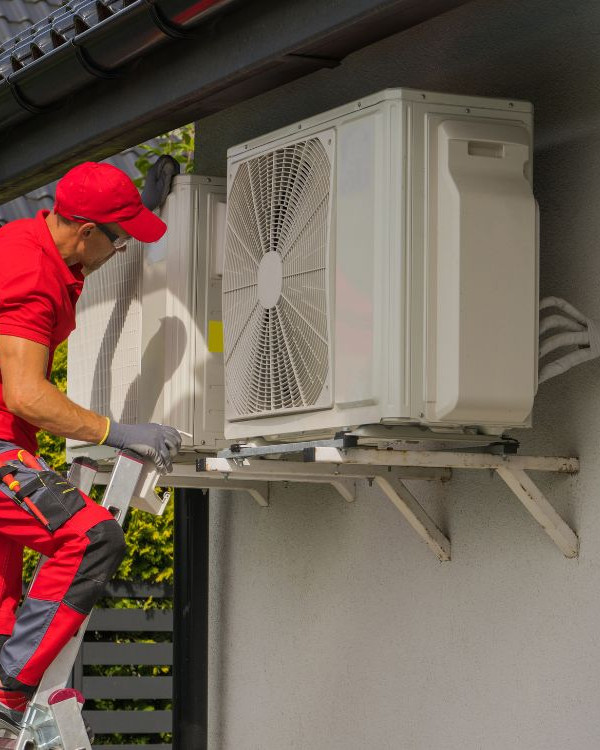
The typical system costs around £13,000-£20,000. Running costs will depend on a number of factors including the size of your home and how well insulated it is.
Savings
There are lots of savings to be made with an air source heat pump installation using our devices. Savings depend on what system you use now, as well as what you are replacing it with. Your savings will be affected by:
- Your heat distribution system.
- Your old heating system.
- Water heating
Make sure you take advantage of your system by using the controls. It is important to learn how to control the system so you can get the most out of it. You will probably need to set the heating to come on for longer hours, but you might be able to set the thermostat lower and still feel comfortable. Don’t worry, your air source heat pump installer will explain how to control the system so you can use it most effectively!
These are the great savings that you could be making every year. Why not replace an existing heating system with an average ground source heat pump installation and start saving?
Funding
| Existing system | Fuel bill savings (£/year) | Renewable Heat Incentive (RHI) payment (£/year)1 April 2015 to 31 March 2016 | (RHI) payment (£/year)1 March 2016 to 30 June 2016 | Carbon dioxide savings (kgCO2/year) |
|---|---|---|---|---|
| Gas older (non condensing) | £440 to £660 | £2,555 to £3,955 |
£2,590 to £4,005 |
2,100 to 3,300 kg |
| Electric (old storage heaters) | £790 to £1,425 | 6,700 to 11,700 kg | ||
| Oil older (non condensing) | £130 to £220 | 3,000 to 4,700 kg | ||
| LPG older (non condensing) | £960 to £1,500 | 2,800 to 4,500 kg | ||
| Coal | £590 to £990 | 7,600 to 12,100 kg |
Get Your Free Heat Pumps Installation Quote Instantly
By answering just a few questions we will tell you how much your heat pump installation will cost

Hybrid Heat Pumps
Hybrid heat pump system
Would you like to lower your energy bills and be more environmentally friendly while doing so? At Heat Pump Scotland we have a number of renewable energy solutions. Heat Pumps work by converting energy in the ground or air into heat.
The UK is becoming a green nation and as part of the UK’s movement to reduce carbon emissions by 80% before 2050. The UK government has introduced the Renewable Heat Incentive which encourages home and business owners to pay for energy efficiency improvement by reimbursing them for left over energy which can be created through renewable technologies like heat pumps.
The future is looking greener as the UK government is launching a number of incentives to improve the energy efficiency of your British homes. If you are looking to change to renewable technology Heat Pump Scotland’s hybrid heat pumps are an excellent choice for any home that is looking to minimise its ideal carbon footprint and lower, it’s energy bills.

How Do Hybrid Heat Pumps Work?
The inner workings of hybrid heat pumps are fairly easy to understand. Think of it this way a heat pump takes the available heat from the ground or air which surrounds a property. While the heat is being processed by a heat pump it is increased to a more useful temperature which can be used to heat your home.
This renewable source of heat from hybrid heat pumps can be used to generate warm air or water for both central heating and domestic hot water supplies. The steps below display how heat pumps generate and release heat into your home.
The source of heat which is collected can either be from outside air or a water mix which is contained within ground collectors. This heat source is then blown or pumped over the heat exchange surface of the external part of the heat pump.
You may think that this heat that is collected is cold in comparison to a home’s internal air, however, it is warm enough to cause the special refrigerant liquid to evaporate. Once the liquid evaporates it can be turned into a gas.
One the liquid is tuned into gas and then put through a compressor. This compressor then escalates the pressure of the gas which causes its temperature to rise.
Once the gas is heated it is then passed over the internal heat exchange surface. This air can then be used to heat the property through its airways or to be transferred into a home’s central heating or hot water system.
The gas then decreases in temperature and it then returns to a liquid state.
This process then continues until the home is heated sufficiently.
Request a quote

What Are Hybrid Heat Pumps?
The Renewable Heat Incentive (RHI) covers the installation of Hybrid Heat Pumps. The RHI scheme is a UK Government incentive which was produced to encourage the UK population to invest in renewable energy technologies.
These incentives were created to help contribute towards the government’s plans of 12% of all heating coming from renewable energy in the UK by 2020.
Hybrid heat pump technology is one of the most unique forms of renewable energy. Hybrid technology gives property owners up to 35% more efficient for space heating than a conventional new gas combi boiler!
If you are looking for a hybrid heat pumps a member of our Heat Pump Scotland team would be more than happy to advise you on your options. Hybrid technology continually monitors the most energy efficient and cost effective operational mode between electric heat pumps and gas boilers.
If you are looking for a renewable system that will out run a traditional system, the Hybrid heat pumps achieve up to 15% greater efficiency.
Hybrid heat pumps give property owners the best of both systems as boilers provide certainty of a hot water supply, and the heat pump simultaneously provides an all space heating solution.
Systems that can be installed under the domestic Renewable Heat Incentive include:
The journey of heating begins with the collection of ambient heat from the surroundings, either from the air or a water mix contained within ground collectors. This collected heat, although seemingly cold, is warm enough to cause the refrigerant liquid within the system to evaporate. As the liquid turns into gas and is compressed, its temperature rises, making it ready to heat your home. The gas traverses through the system, transferring heat to the indoor air or water before returning to a liquid state, ready to restart the cycle.
- Air source heat pumps
- Solar thermal panels (for hot water provision only)
- Ground source heat pumps
- Biomass boilers
The renewable heating system must be certified under the Microgeneration Certification Scheme (MCS).
What Are the Domestic RHI Scheme Requirements?
Installing a typical system costs around £13,000-£20,000. Running costs will depend on a number of factors including the size of your home and how well insulated it is.
- It is mandatory that all installations and installers are MCS certified
- Loft or cavity wall insulation if recommended
- Heat pump systems must have a minimum seasonal performance factor (SPF) of 2.5 – in line with the RES Directive
- Metering for bivalent systems
At Heat Pump Scotland our team are fully trained and qualified in heat pump installation. Heat Pumps Installers Scotland Ltd are Glasgow’s experts in energy efficiency and MCS qualified for Air Source Heat Pumps, installing a full range of high and low temperature solutions. We design, install, service & repair quality solutions from Samsung, Panasonic, Mitsubishi, and Dimplex.
Heat Pumps and Domestic Renewable Heat Incentive (dRHI)
Hybrid technology is still eligible for Domestic Renewable Heat Incentive (dRHI). If you choose The 16kW EHS Mono Samsung Outdoor Unit which can be fitted and maintained by Scotland Heat Pumps, is RHI Eligible (Subject to conditions)
Domestic Renewable Heat Incentive eligibility
The domestic Renewable Heat Incentive (dRHI) is available for households – i.e. single domestic dwellings – both on and off the gas grid. The person applying for the dRHI must own or occupy the property that the renewable heating system is in. This includes:
- Homeowners
- Private or social landlord
- A self-builder
- Any of the above who has installed a renewable heat technology since 15 July 2009 and meets the scheme eligibility criteria
Daikin Altherma Hybrid Heat Pumps
At Heat Pump Scotland we only supply and install the highest quality hybrid heat pump solutions that are available in the UK.
Daikin Airconditioning UK Ltd is one of the most innovative indoor climate management companies in Europe. Daikin are experts in their field, with years of experience behind them.
Daikin aim to meet the solutions of residential, commercial and industrial customers. Not only is the Daikin Altherma Hybrid easy and fast to install with minimal disruption, there are many benefits of installing a Dakin Altherma Hybrid.


Renewable Energy Scotland
Renewable energy is the healthiest option for our planet and it may even make you some money too! The Daikin Altherma hybrid heat pump is an excellent choice if you are considering on-gas and LPG boilers as there’s no need to replace existing radiators and pipework.
Are you a business looking to become more environmentally friendly? The Daikin Altherma Hybrid is most appropriate for properties with heat loads from 12kW-20kW, however, this system can cover heat loads up to 27kW.
The Hybrid comes with 4 methods of heating and at any time, the smart logic selects one of four available operating modes, ensuring it is running at the most economical performance:
- Heat pump only: The Heat Pump only mode is most effective when used in mild temperatures.
- First hybrid mode: The mode will switch when the outdoor temperature drops.
- Second hybrid mode: This is should be put into use when the outdoor temperature reduces further and the heat pump efficiency decreases.
- Boiler only: The boiler only function is activated when the outdoor temperature is at its lowest. In these conditions, the pump is less economical, so only the boiler operates.
What Are the Benefits of the Daikin Altherma Hybrid?

- Suitable for properties with 12kW-20kW heat load
- Connectable to existing radiators (up to 80oC)
- Can be connected to other heat emitters
- Fast start-up
- No need to change or remove existing radiators or pipework
- All key hydraulic components included
- Extensive flue options available for boiler: 60/100 up to 10m; 80/125 up to 29m
- Front access to key components and familiar arrangement of connections at base
- Quick commissioning with advanced user interface
Domestic Heat Pumps
The domestic RHI offers a financial incentive over seven years to the household or property owners where a renewable heating system is installed. The government are rewarding home owners for producing, clean renewable energy.
A domestic property is classed as domestic if it heats only a single property which can earn a domestic Energy Performance Certificate (EPC).
EPC evidence is required when applying for the RHI. The EPC gives the governing bodies of the RHI information about the property’s energy use and recommendations on how the property can reduce their energy consumption.
Non-Domestic Hybrid Heat Pumps
When a ground or heat source air pump is in a commercial, public or industrial place the non-domestic RHI must be applied for.
Renewable energy is so profitable for our planet, that is the main reason lots of non-domestic businesses are investing in new technology which is making their business more sustainable.
Premises that would apply for the non-domestic RHI include private businesses, both large and small public sector organisations like schools and hospitals.
Renewable Energy Predictions
As you will know by now, Heat pumps are renewable. Hybrid Heat Pumps are renewable because they the heat naturally flows from a warm location to a cooler one.
Hybrid Heat Pumps use a specially created fluid that evaporates and condenses in a constant cycle in a closed circuit controlled by valves and a compressor to reverse this flow.
- By 2020 the UK’s target is to achieve 15% of final energy consumption from renewable sources.
- By 2040, zero-emission energy sources will make up 60% of installed capacity.
- Wind and solar will account for 64% of the 8.6TW of new power generating capacity added worldwide over the next 25 years.
- Some energy experts have also projected that 80-100% of the world will run sustainable energy by 2050.

Book an appointment
With our specialist team at Heat Pump Scotland today. Whatever type of system you are looking for our engineers will be more than happy to talk you through the domestic and non-domestic heat pump process.
If you would like to find out more about renewable energy, a member of our expert team would be delighted to talk you through the process.
If you would like to Book an Appointment to find out more about Heat Pump Scotland’s services get in touch with our Hybrid Heat Pump installations team.
Our team are specialists and as heat pumps come in different shapes and sizes and they will give you the best
We would be more than happy to chat about the ins and outs of your properties needs over the phone, by doing so we should be able to give you a clearer idea on how much a Daiken Altherma will cost you.
At Heat Pump Scotland we make sure that every single customer receives unique customer service and we will discuss your specifications with you and advise you on the best type of heat pump for your needs.
When a ground or heat source air pump is in a commercial, public or industrial place the non-domestic RHI must be applied for.
Renewable energy is so profitable for our planet, that is the main reason lots of non-domestic businesses are investing in new technology which is making their business more sustainable.
Premises that would apply for the non-domestic RHI include private businesses, both large and small public sector organisations like schools and hospitals.
Funding
| Existing system | Fuel bill savings (£/year) | Renewable Heat Incentive (RHI) payment (£/year)1 April 2015 to 31 March 2016 | (RHI) payment (£/year)1 March 2016 to 30 June 2016 | Carbon dioxide savings (kgCO2/year) |
|---|---|---|---|---|
| Gas older (non condensing) | £440 to £660 | £2,555 to £3,955 |
£2,590 to £4,005 |
2,100 to 3,300 kg |
| Electric (old storage heaters) | £790 to £1,425 | 6,700 to 11,700 kg | ||
| Oil older (non condensing) | £130 to £220 | 3,000 to 4,700 kg | ||
| LPG older (non condensing) | £960 to £1,500 | 2,800 to 4,500 kg | ||
| Coal | £590 to £990 | 7,600 to 12,100 kg |
Get Your Free Heat Pumps Installation Quote Instantly
By answering just a few questions we will tell you how much your heat pump installation will cost